
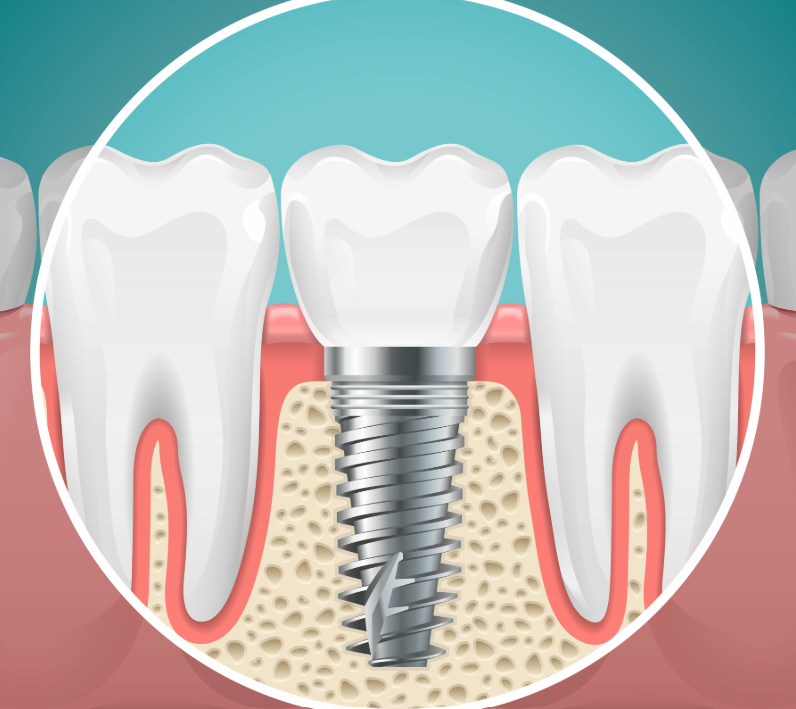
Dental implants have an excellent long-term success rate, which is one reason they are considered the gold standard for replacing missing teeth. Still, if your implant suddenly feels loose, it is natural to feel concerned. The good news is that this sensation does not always mean the implant itself has failed.
In some cases, the looseness may actually come from the dental crown, abutment, or screw attached to the implant rather than the implant post in the jawbone. These parts can sometimes wear down or shift over time, especially after years of normal use. However, there are also situations where the implant itself becomes unstable, which requires prompt attention from your dentist.
Common Reasons an Implant Can Loosen
One possible cause is a problem with the restoration attached to the implant. If the crown or connecting piece becomes loose, it can make the entire implant seem unstable even when the post is still secure. This type of issue is often easier to fix than true implant failure.
Another reason may be bone loss around the implant. Dental implants rely on a strong foundation in the jaw, so if the surrounding bone weakens, the implant can lose support. This can happen if the implant never fully fused with the bone or if bone loss develops later.
Gum infection around the implant, often called peri-implantitis, is another concern. This condition affects the tissue and bone supporting the implant and can cause swelling, discomfort, and looseness if left untreated. Teeth grinding, injury, or excess pressure on the implant can also contribute to complications over time.
What You Should Do Right Away
If your dental implant feels loose, the most important thing to do is call your dentist as soon as possible. Waiting can allow the problem to worsen, especially if infection or bone loss is involved. A prompt exam can help determine whether the loose feeling is coming from a minor hardware issue or something more serious.
Until your appointment, avoid chewing on that side of your mouth. Try not to wiggle, press on, or test the implant with your fingers or tongue, even if you are tempted to check it. This can make the problem worse. Keep the area clean by brushing gently and following your normal oral hygiene routine unless your dentist tells you otherwise.
How Your Dentist Can Help
Treatment depends on the cause of the looseness. If the crown or abutment is the issue, your dentist may simply tighten or replace the affected part. If infection is present, treatment may involve a deep cleaning and other steps to control the damage. In more serious cases, the implant may need to be removed so the area can heal before another replacement option is considered.
The sooner you seek care, the better the chances of protecting your smile and preventing more extensive treatment. A loose implant should never be ignored, but fast action can make all the difference.
About the Practice
At Coats Dental Group of Longmont, patients receive comprehensive, personalized care for restoring and maintaining healthy smiles. Dr. Brian Coats and Dr. Kevin Coats offes modern tooth replacement solutions, including dental implants, and focuses on helping patients feel informed and comfortable throughout treatment. With an emphasis on high-quality care and long-term oral health, our doctors and team work closely with each patient to recommend the best solution for their needs.
Call us at (303) 776-4090 or schedule your appointment online.